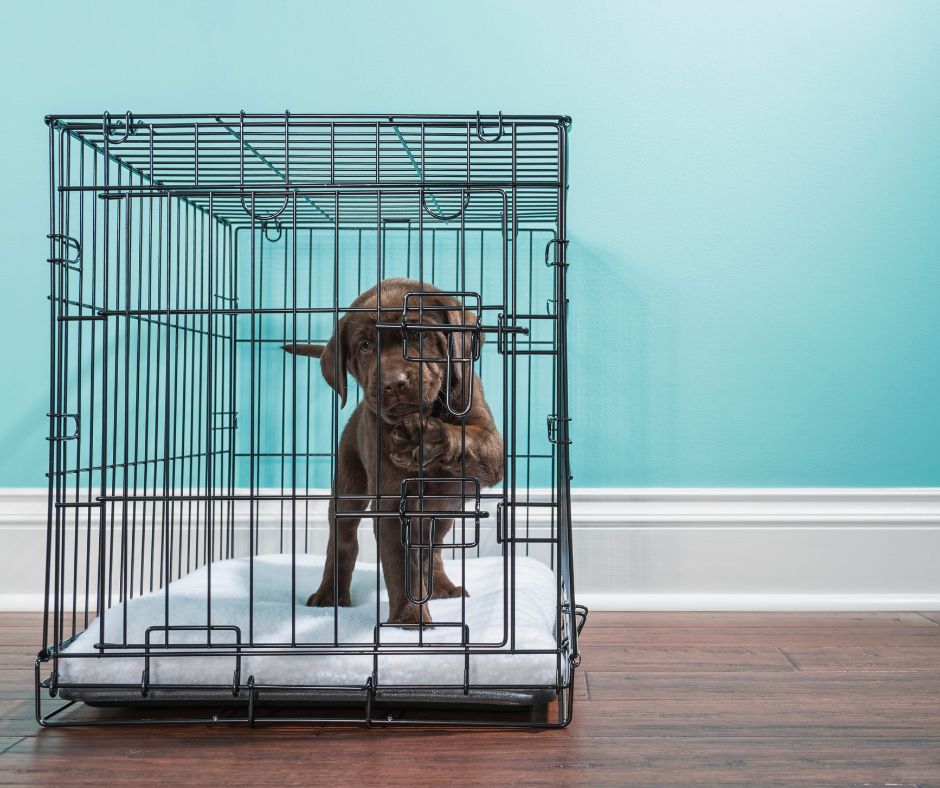
6 things you should know about crate training
6 things you should know about crate training
Using a dog crate or cage for your dog is becoming the norm in the states. Many people have questions or concerns about it and all I ever hear from clients is “I would never use the crate for punishment.” So I want to go over some things about the crate and teach you a bit about management and punishment.
The Crate is super helpful for house training your puppy
You can’t have eyes on your puppy 24/7. That means that without a plan in place, they will sneak off and pee in your house at some point. If you put them in a crate, they can’t sneak off and won’t pee.
The Crate is a good way to make sure your puppy gets enough sleep.
Puppies need a huge amount of sleep. A lot of the puppy behavior complaints I get go away once they get the rest they need. Crate time is a great way to let them relax completely and get some shut eye.
Crates are a great tool for making sure your dog is safe when alone.
Dogs are curious and there are a lot of dangerous things in our home that they can make mischief with that could potentially hurt them. Putting a dog in a crate keeps them out of trouble when you aren’t there to supervise
Many dogs love their crate.
Dogs are den animals. They instinctively want to be in a small cozy spot. Many dogs that are generally anxious benefit from having a safe spot they can go to relax. Even if your dog isn’t a nervous nellie, they might enjoy having their own ‘bedroom’.
Crates can keep you sane!
You need down time. Your dog needs down time. No dog is perfectly trained, especially not at the beginning. If your dog/puppy is out of control, the crate is a great place to put them for a breather. Whether you are managing them and preventing them from getting into trouble/bugging you or using the crate to let them know that their behavior will not be tolerated, you can certainly put them away for a bit. Any time your dog goes in their crate, they lose the freedom to move around and do what they want. That can include things like knocking over your toddler and chewing up your cushions. Losing a bit of freedom now and then is just fine, and can be educational. They can have a toy/chew/treat in their crate to keep them busy or you can leave it bare. Going into the crate is never what is punishing about being crated. Not being able to do what they want out of the crate is the punishment.
Being crate trained is a valuable life skill for your dog.
Dogs need to occasionally spend time at the vet or groomer, be transported, or stay with someone while you are on vacation. Knowing how to settle comfortably in a crate will make all of these situations less stressful for your dog. Crates are the safest place for your dog in a vehicle. If your dog is injured you don’t want them to be worried about their health and having to be in a crate for the first time. You will stress way less and your boarder will be much happier to see your dog if they don’t bark every time they are put away.
You don’t have to use a crate forever, or even often . If your pup truly has a confinement phobia and panics when in a crate you don’t have to use one at all. If your dog doesn’t soil the house or chew up your things you don’t need to use one. I recommend you introduce a crate, practice making it a happy place, use it as needed for your sanity and to solidify training just so that if/when you need it you can use it stress-free.