About Rowan's Dog Training
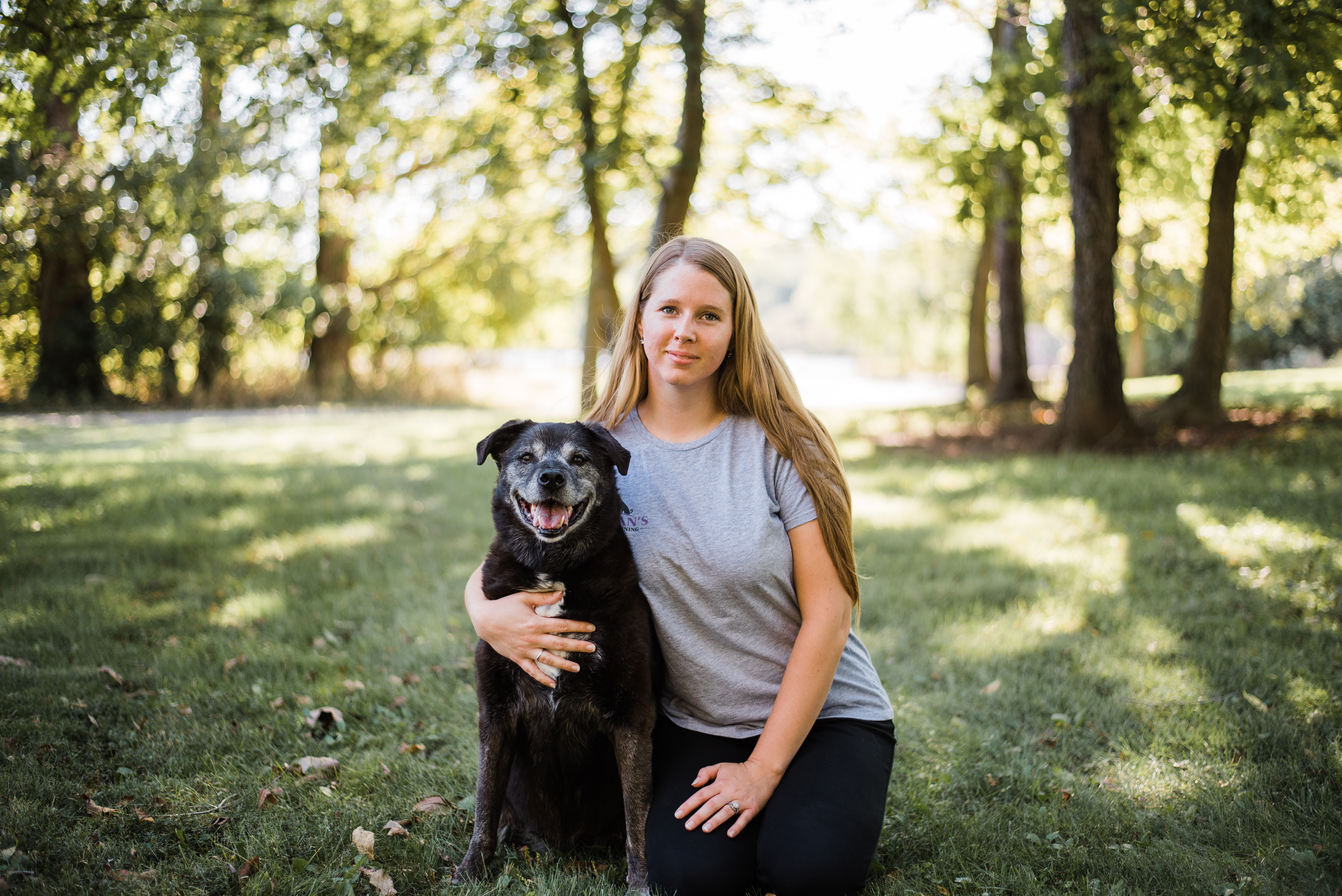
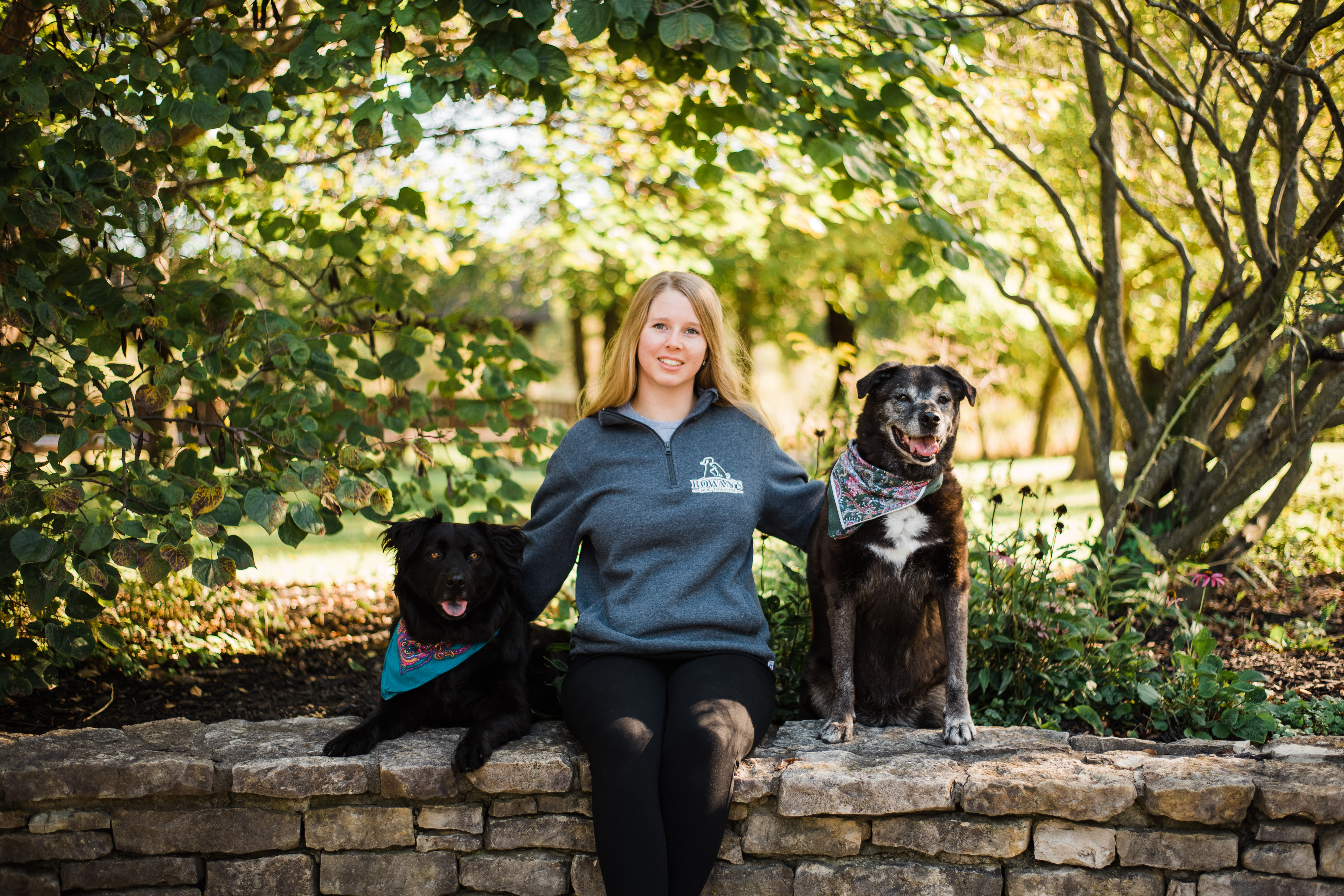
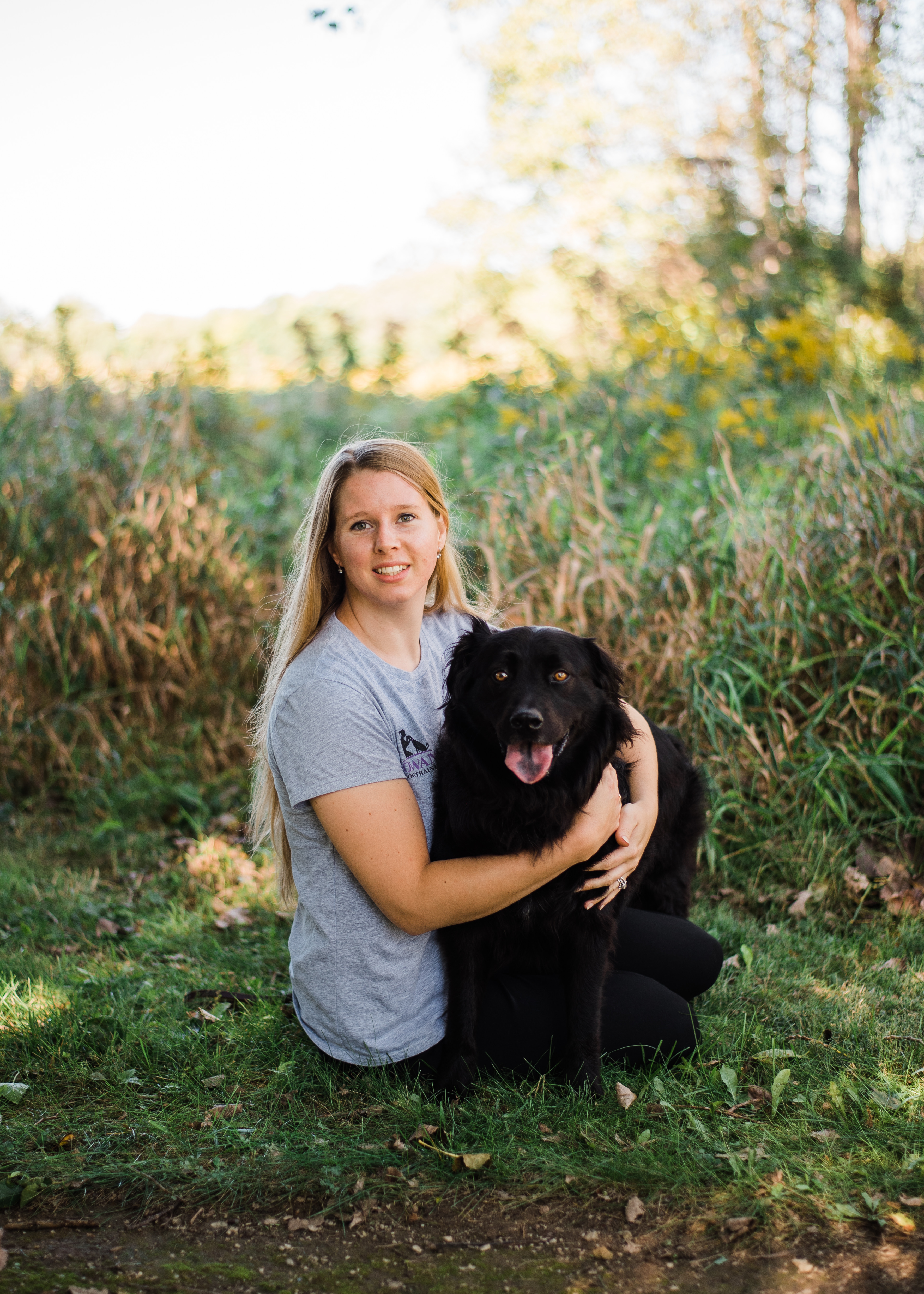
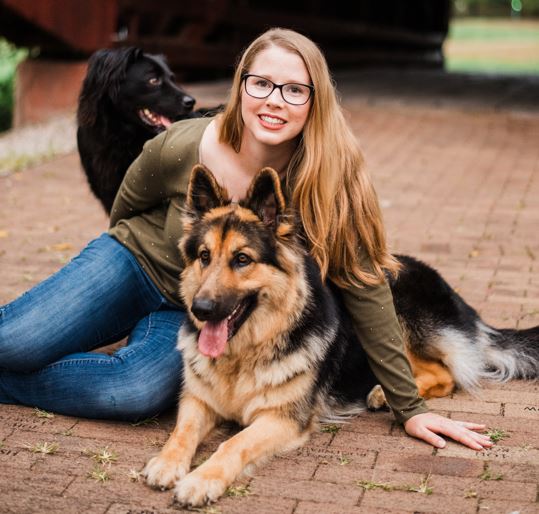
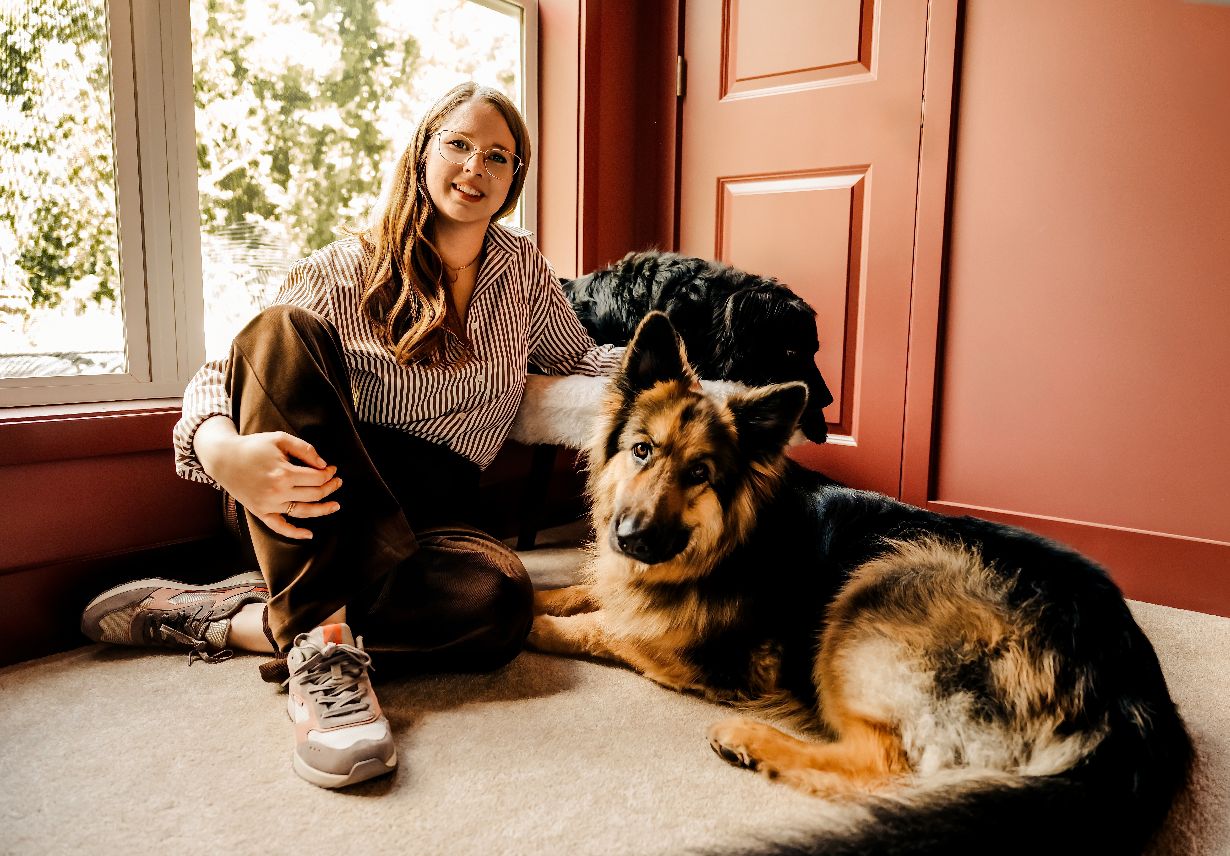
Hi, I'm Rowan.
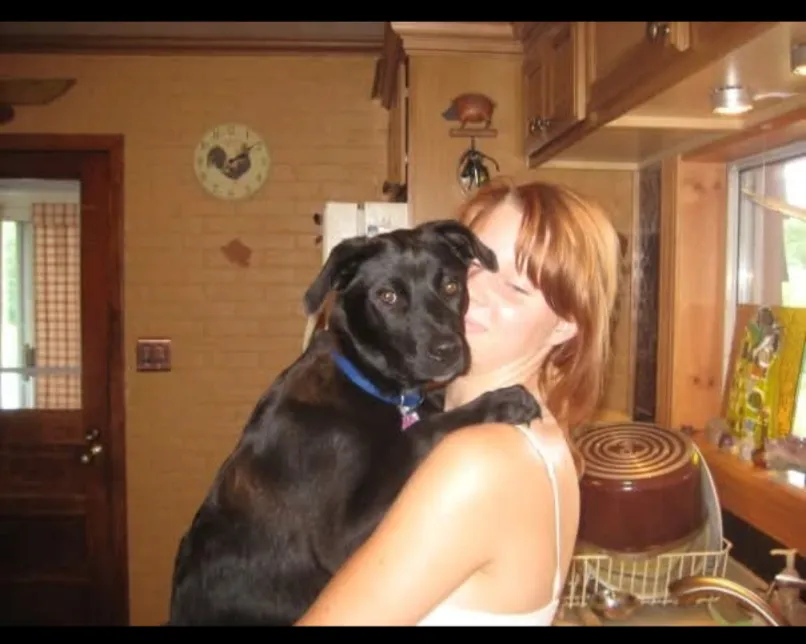
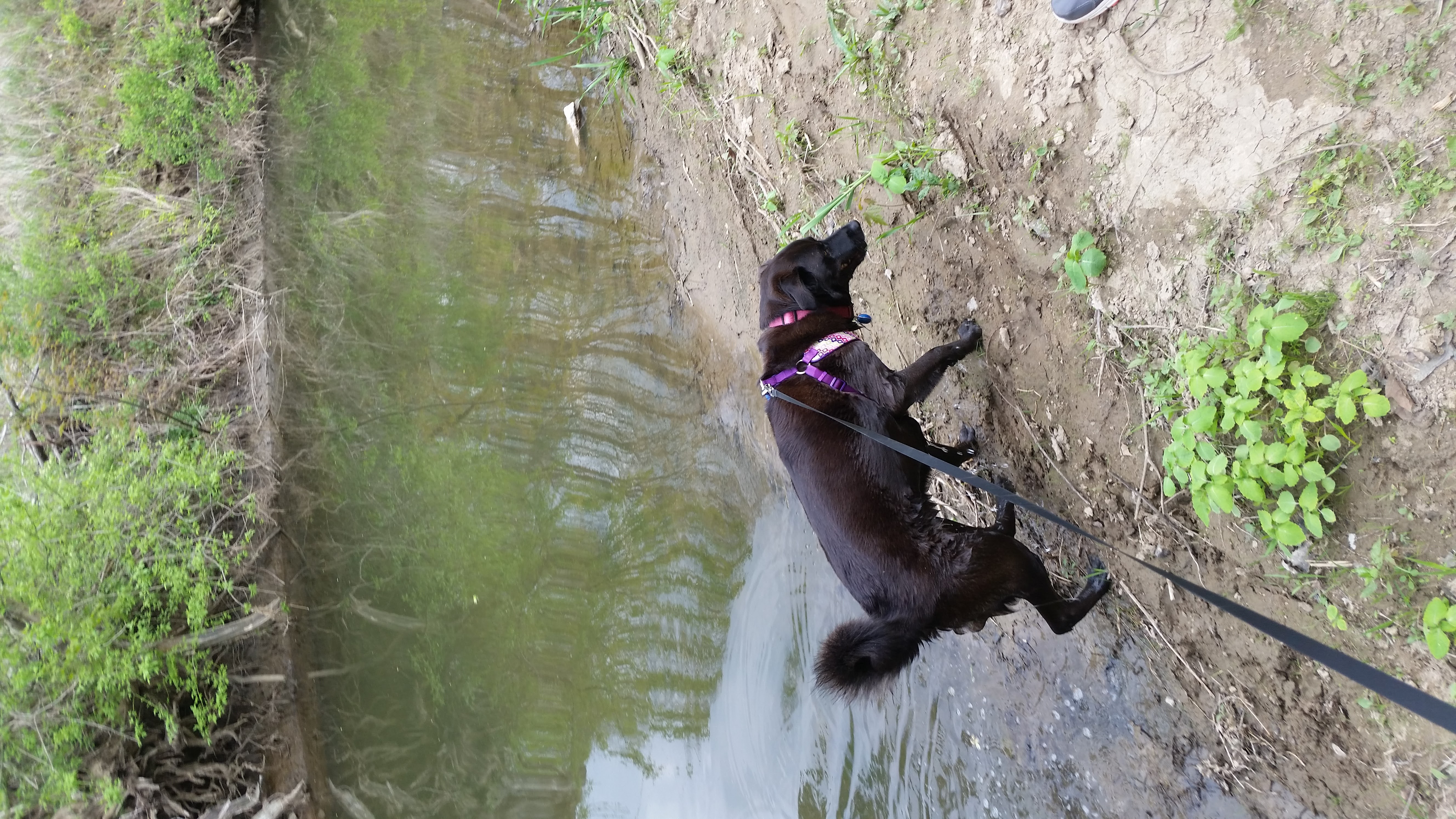
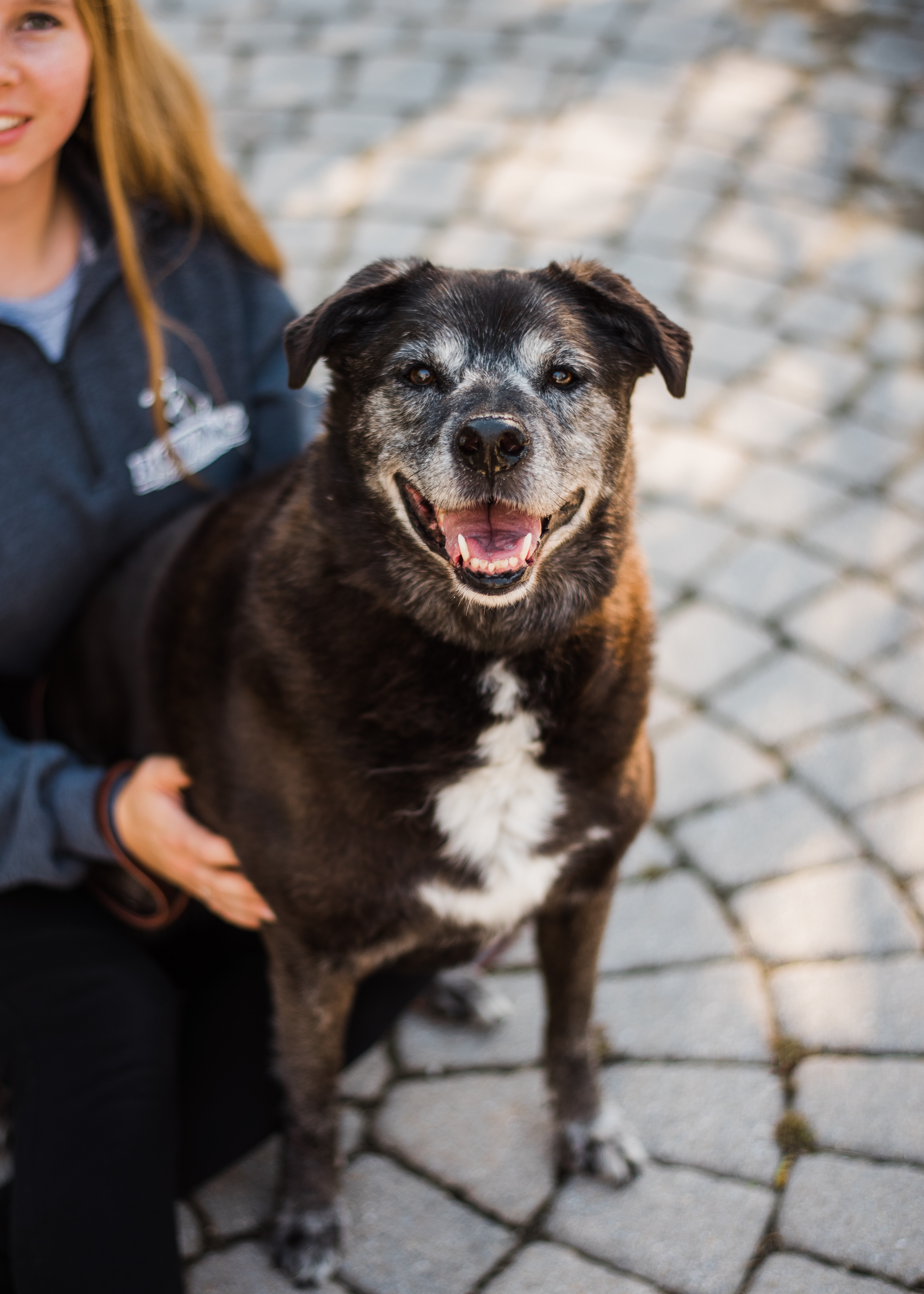
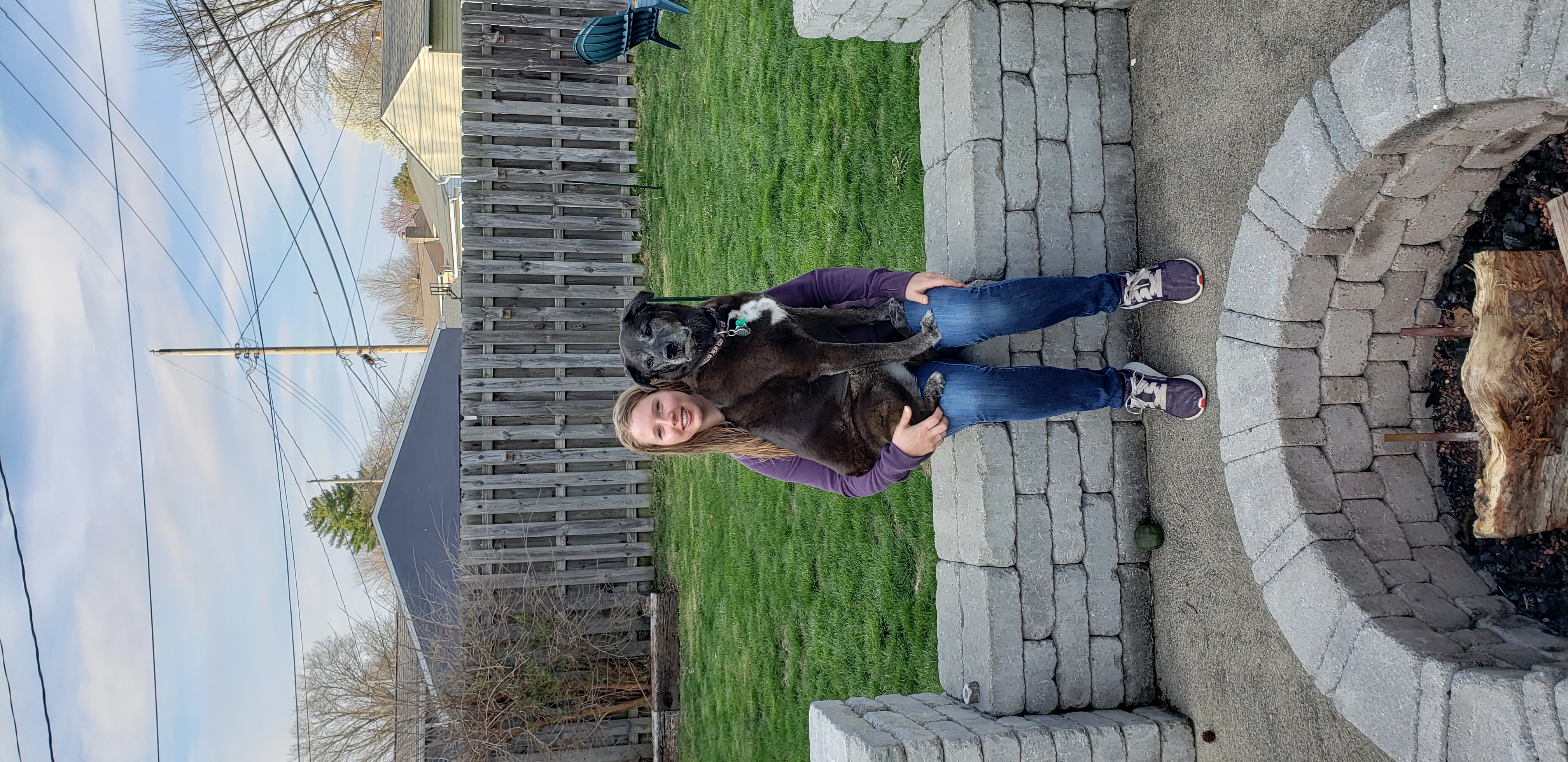
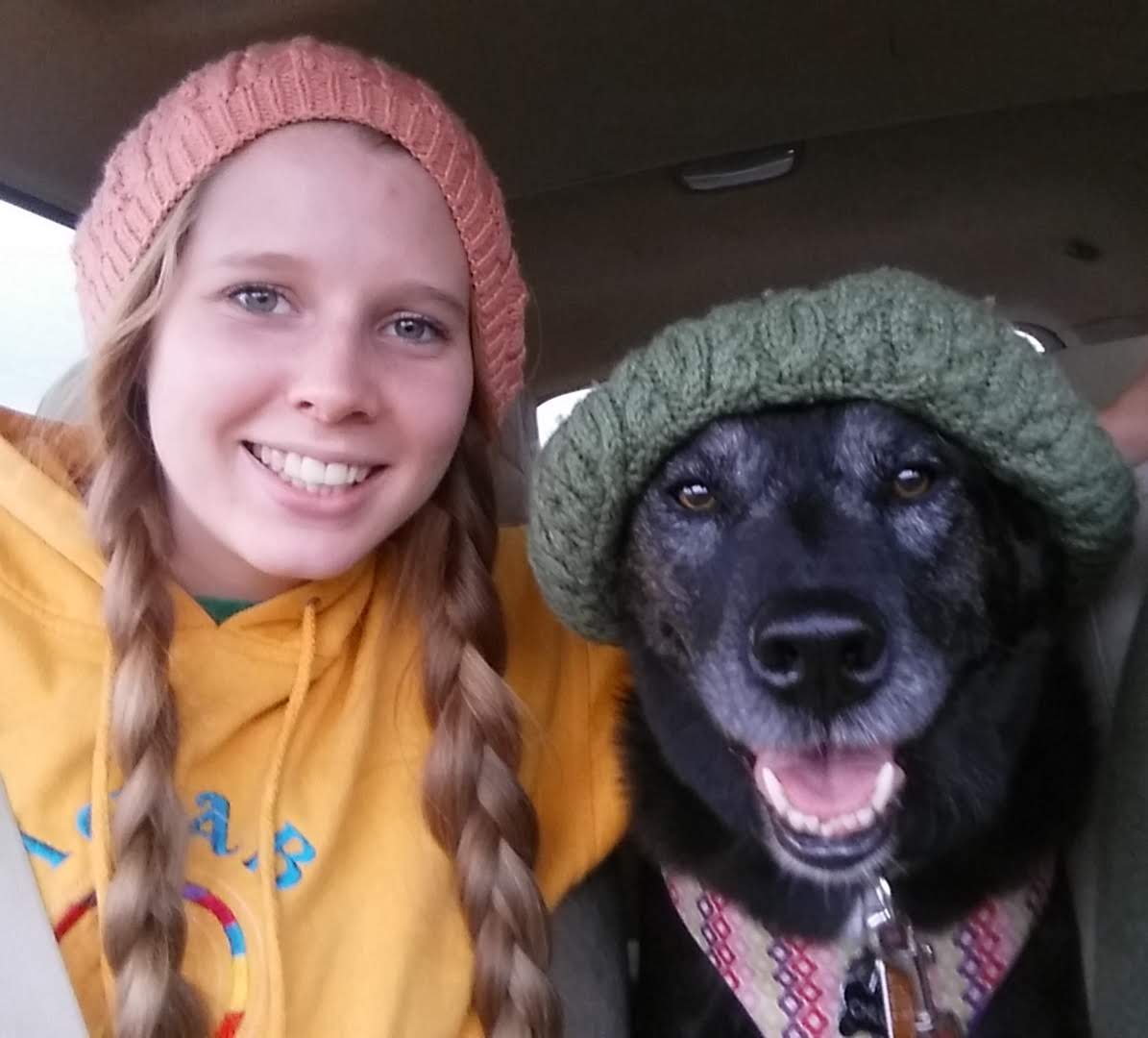
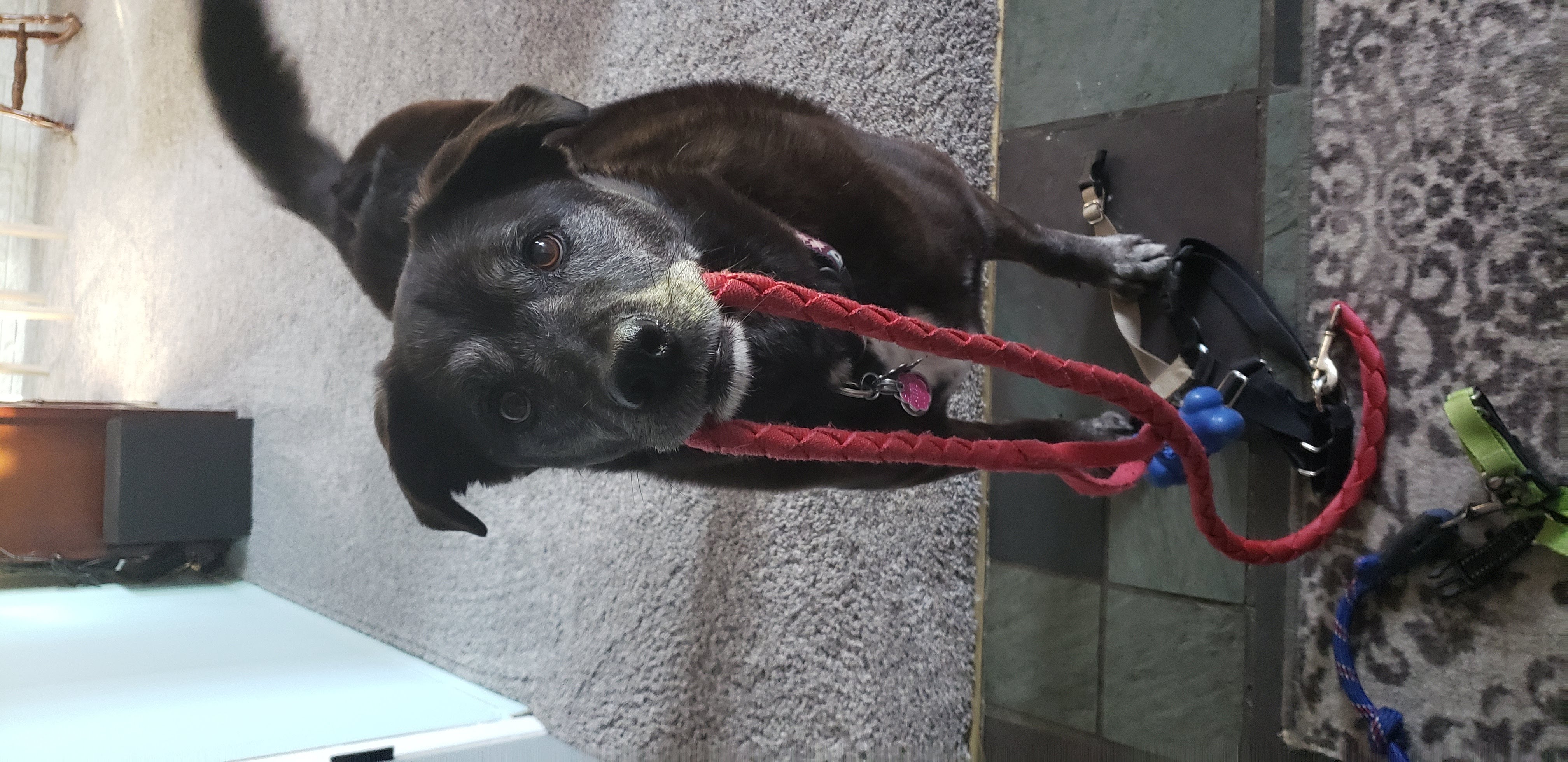
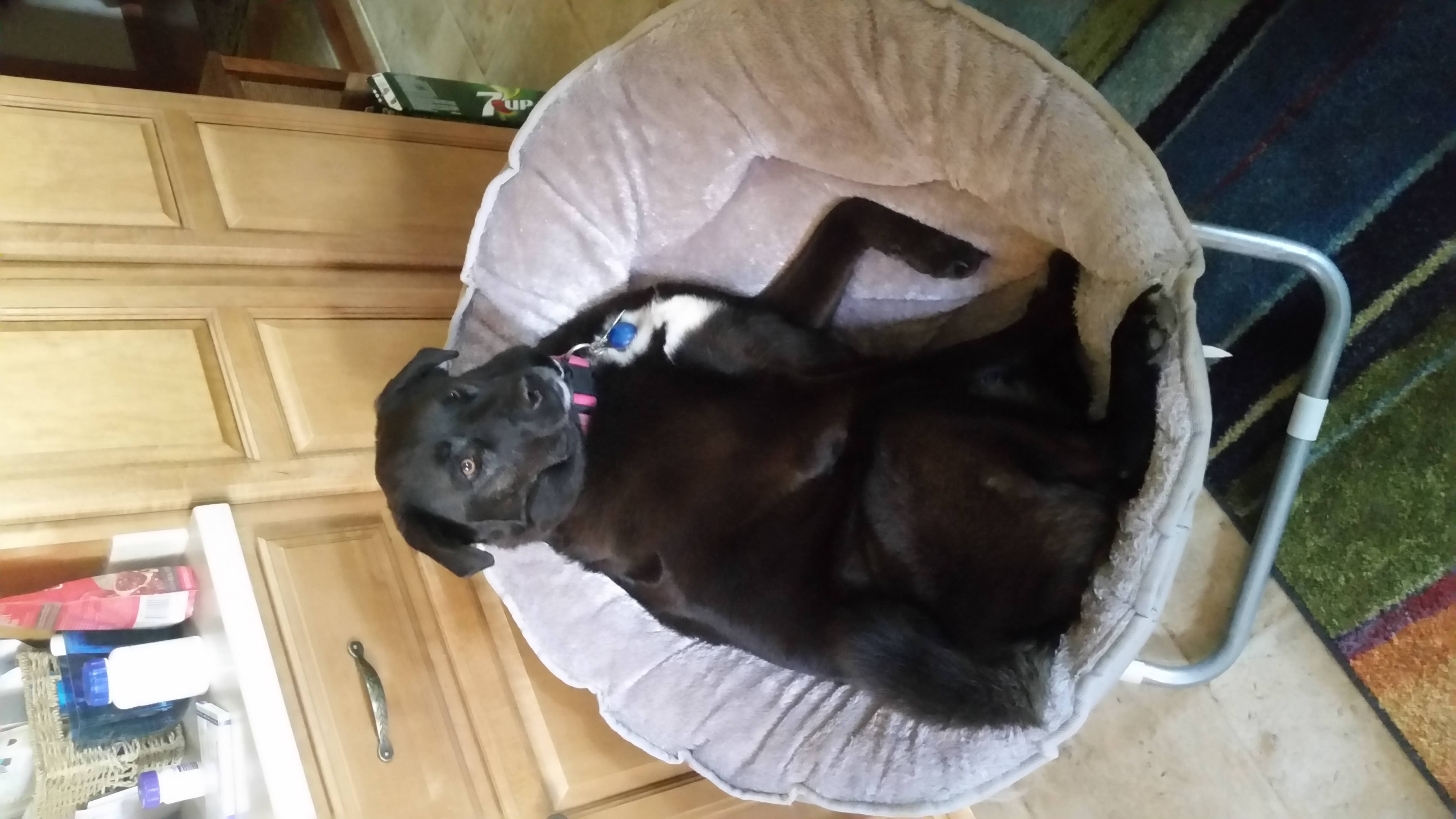
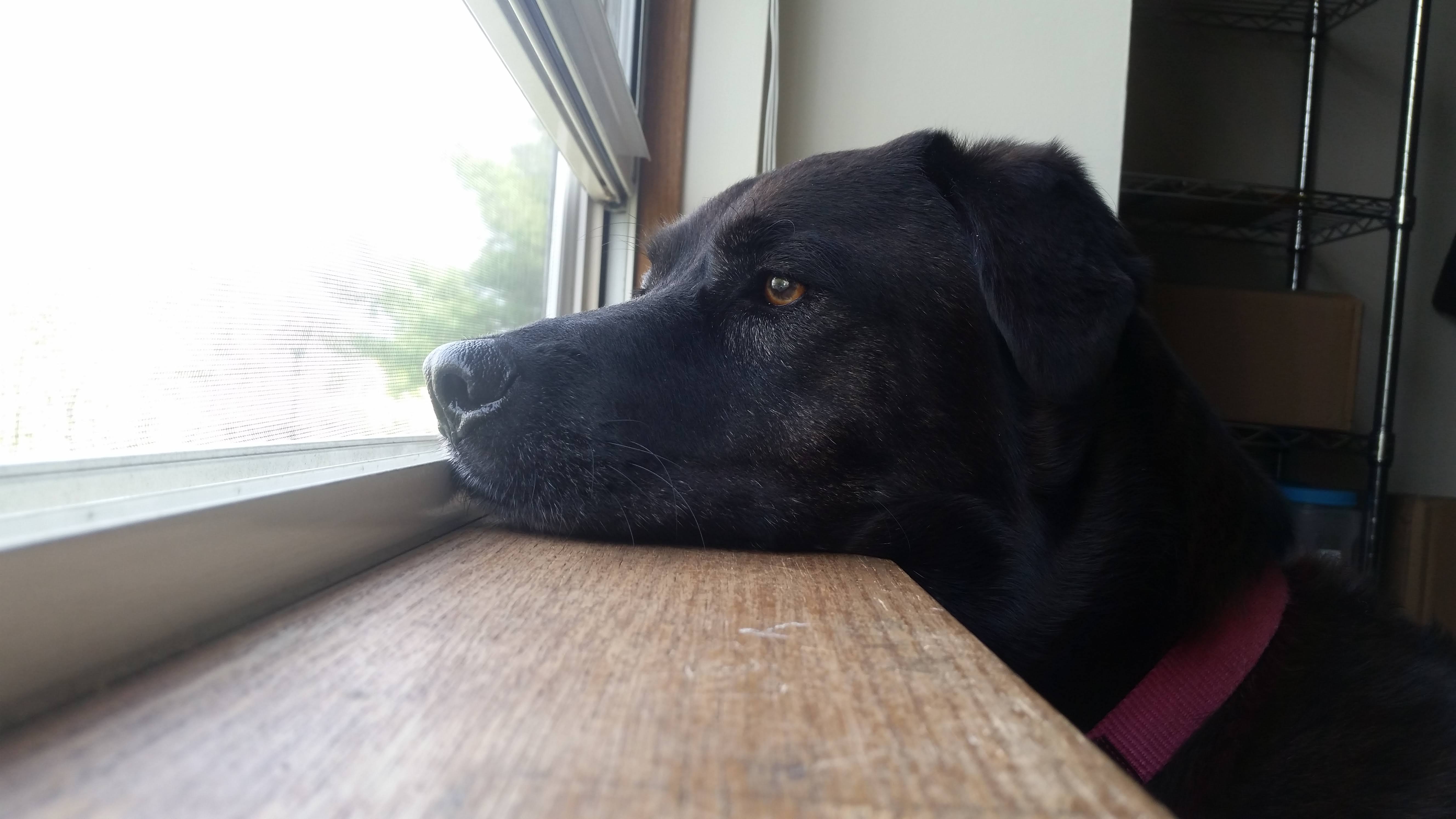
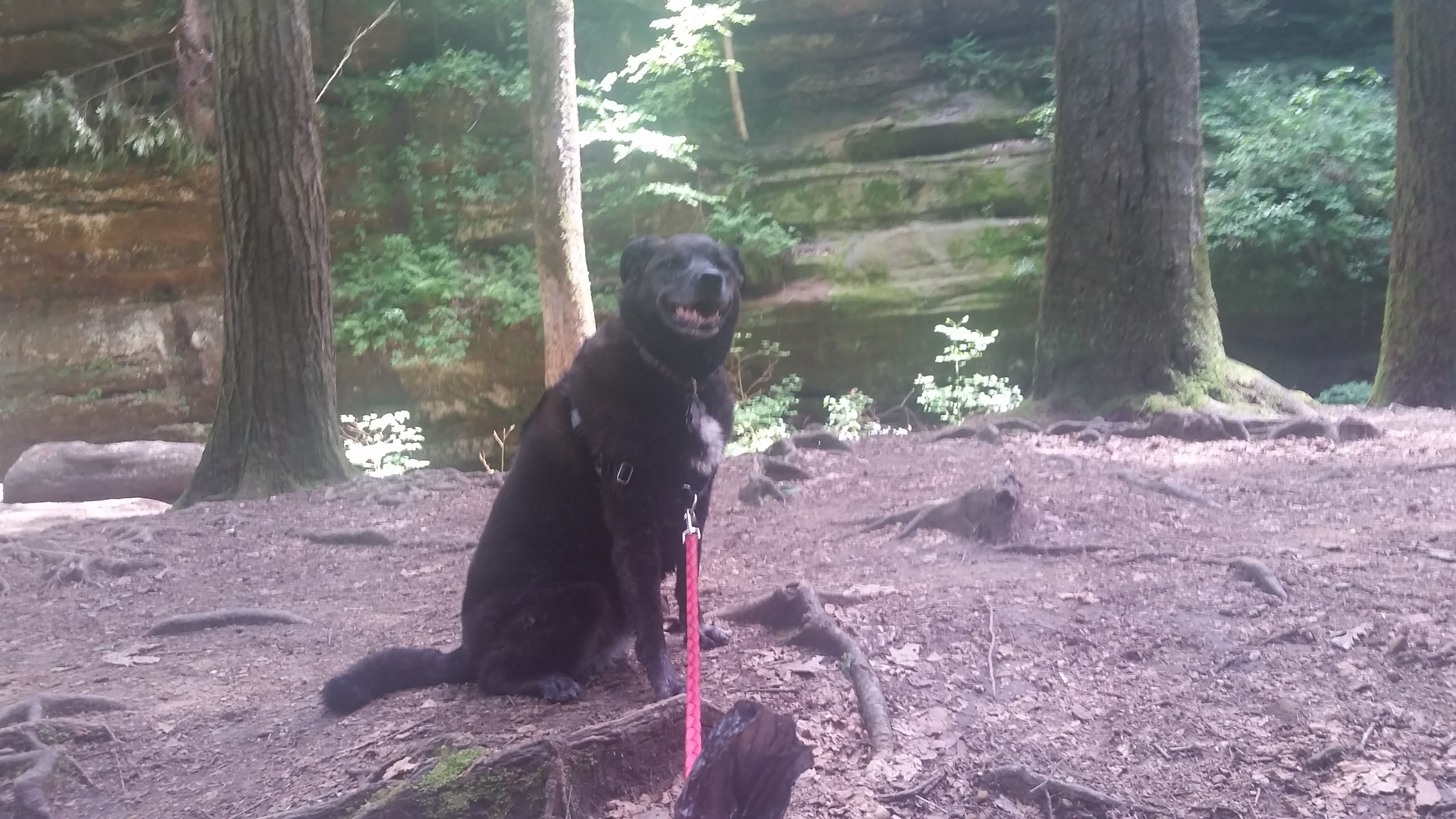
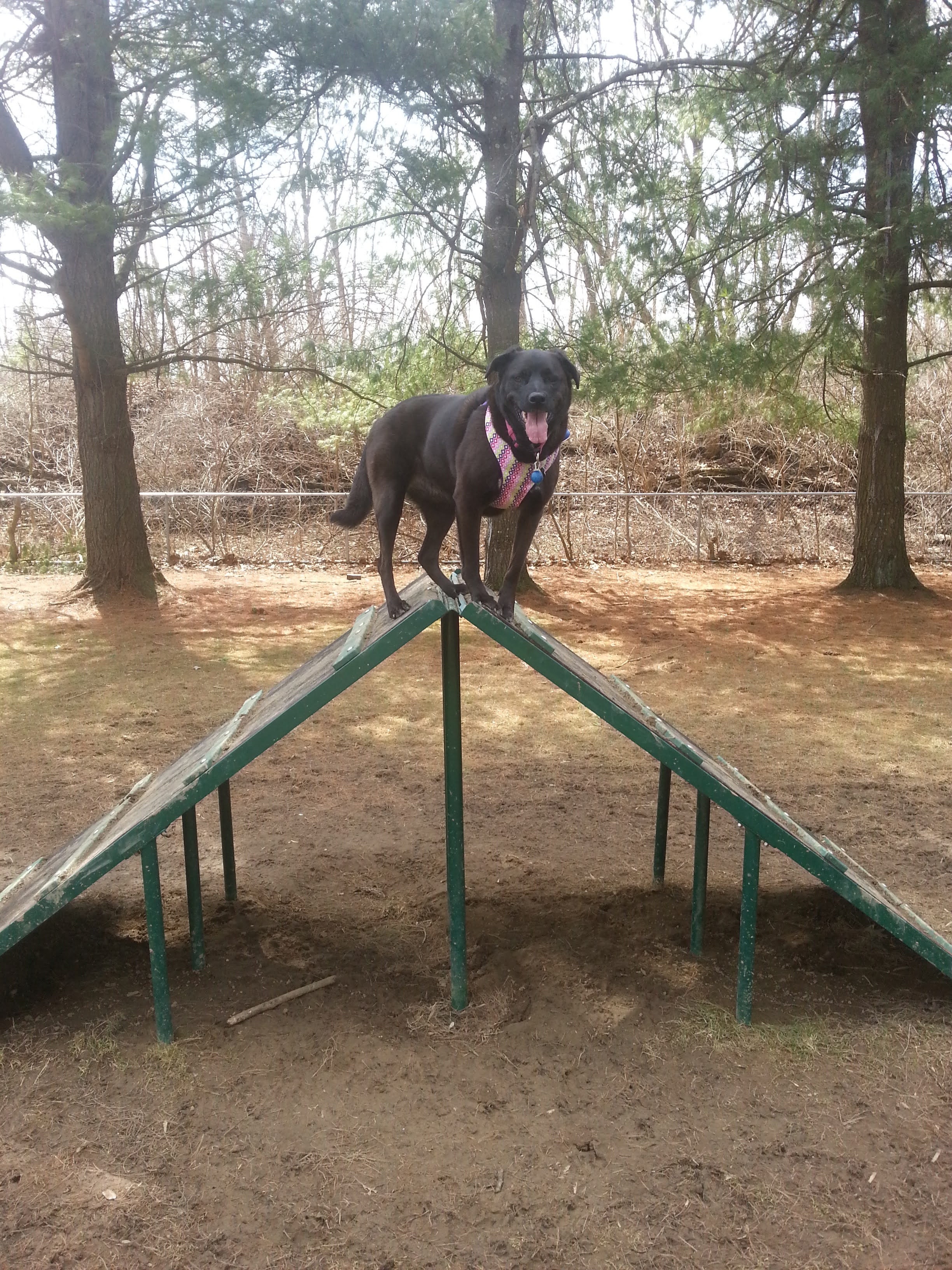
I was 15 when I got Chloe. She was my first puppy, and I took my responsibility for her very seriously. I wanted to give her a long, healthy, happy life—and I wanted to make sure I was doing everything I could to make that happen.
But there was a problem: I didn't know what I didn't know.
I had plenty of questions about how to take care of her (especially when it came to things like nutrition) and finding straightforward answers wasn't easy. There was so much conflicting information that I often found myself wondering whether I was actually doing the right thing for her.
As Chloe got older, I realized she had a problem with other dogs.
She wasn't comfortable around them, and I didn't really know what to do about it. So we signed up for a group obedience class—not because I was trying to teach her a bunch of obedience commands, but because I wanted her to have more opportunities to be around other dogs.
At the end of the class, the trainer asked me if I'd ever thought about becoming a dog trainer.
I basically blew her off.
I wasn't thinking about becoming a dog trainer. I was just trying to help my dog.
But she saw something in me that I didn't see in myself yet.
Then things got harder.
I moved into an apartment, and Chloe's issues with other dogs became a much bigger part of our everyday lives.
I couldn't just avoid other dogs anymore. They were everywhere.
Going outside meant constantly scanning the horizon to see what was coming. If I spotted another dog, I'd start thinking about how I could create enough distance before Chloe saw them.
I was stressed on our walks, and I was always on alert.
And for the most part, I had to figure out how to help her myself.
For a while, I was mostly frustrated with Chloe.
Then I started to understand that she wasn't just being difficult. She was having a big emotional reaction—fear—when she saw other dogs.
That changed the way I saw her.
I was still frustrated, but I also felt sad for her. She wasn't choosing to feel that way. And once I understood what was happening underneath the behavior, I became much more determined to help her.
While I was still figuring things out with Chloe, I enrolled in dog training school.
I wanted to understand dogs better. I wanted to understand behavior and learning, and what was actually happening when dogs struggled. And, most importantly, I wanted to know how to help them.
Chloe became one of my first and most important teachers.
It took a lot of time.
Partly because I was still learning, and partly because changing an emotional response just takes time. But we kept working on it.
And eventually, something I once couldn't imagine became normal.
Chloe made friends.
We could walk with her doggy friends and enjoy ourselves instead of constantly worrying about what might happen. And when we passed dogs in the neighborhood, she could see them across the street without blowing up.
She didn't become a dog who loved every dog she saw.
She became a dog who could live her life without being overwhelmed by every dog she encountered.
And I learned something that has stayed with me ever since:
Understanding what's happening underneath a behavior can completely change what you do about it.
Why I do this
That experience changed the way I think about dogs—and about the people who love them.
Most dog owners aren't careless. They love their dogs. They want to do the right thing. They just don't always know what their dogs need, how to teach them, or what to do when something goes wrong.
They don't know what they don't know.
That's why I believe education is such a powerful part of dog training.
If you know better, you can do better.
I don't actually want to train your dog.
I want to train YOU so you can train and understand them.
There's another reason this matters so much to me.
I want to help keep dogs in their homes.
There are too many dogs who end up in shelters because their behavior became too difficult for their families to manage.
Sometimes those problems could have been prevented with better information early on.
And sometimes the family just needs someone to look at what's happening, explain it in a way that makes sense, and show them what to do next.
When we give people the knowledge and support they need to understand their dogs, we can help prevent problems before they become overwhelming, help families work through challenges instead of giving up, and help more dogs stay with the people who love them.
How I Got Here
A few years after that group class with Chloe, I enrolled in CATCH Trainers Academy to formally study dog training.
Since then, I've continued learning through both education and experience—including with my own dogs.
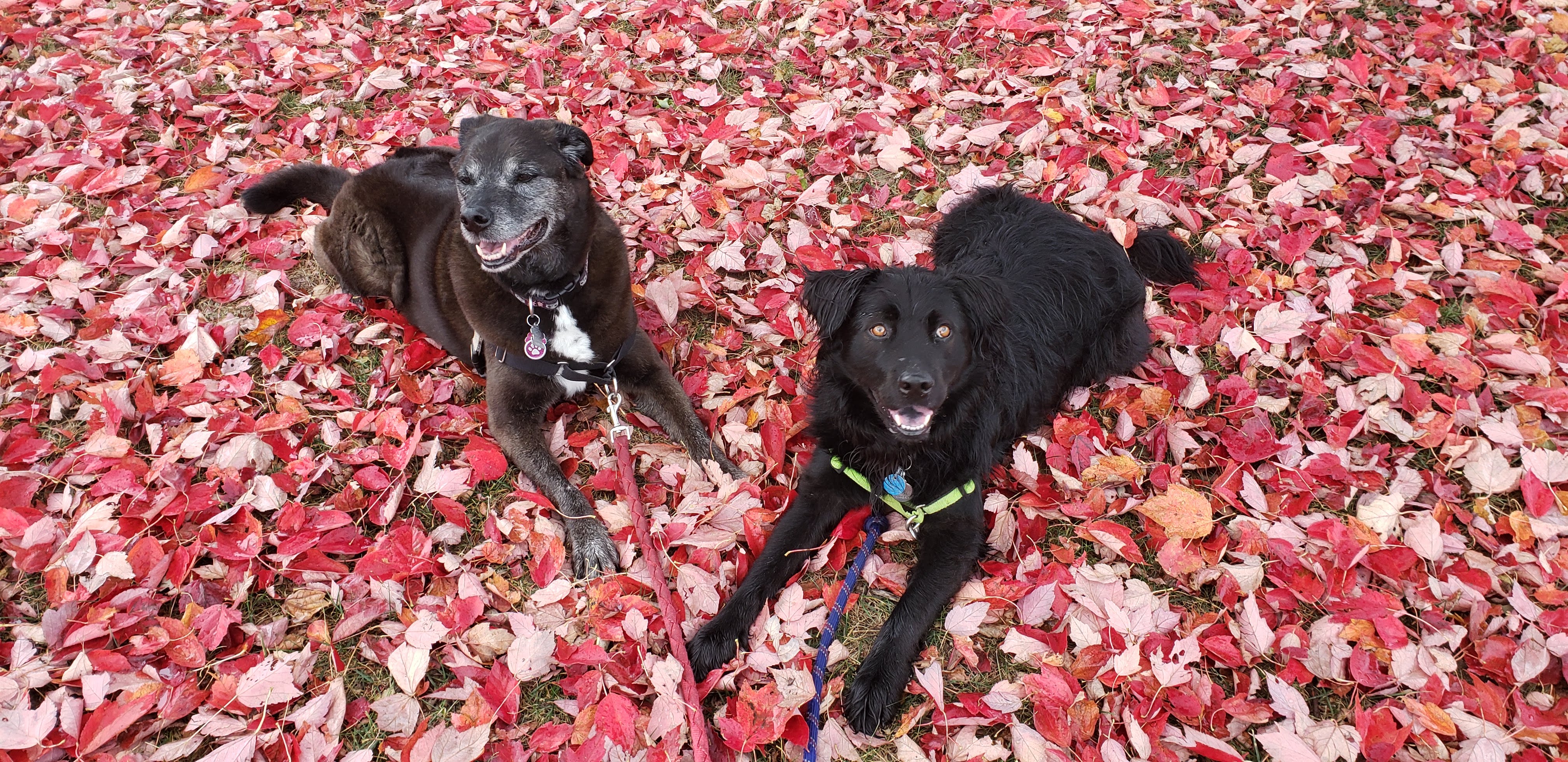
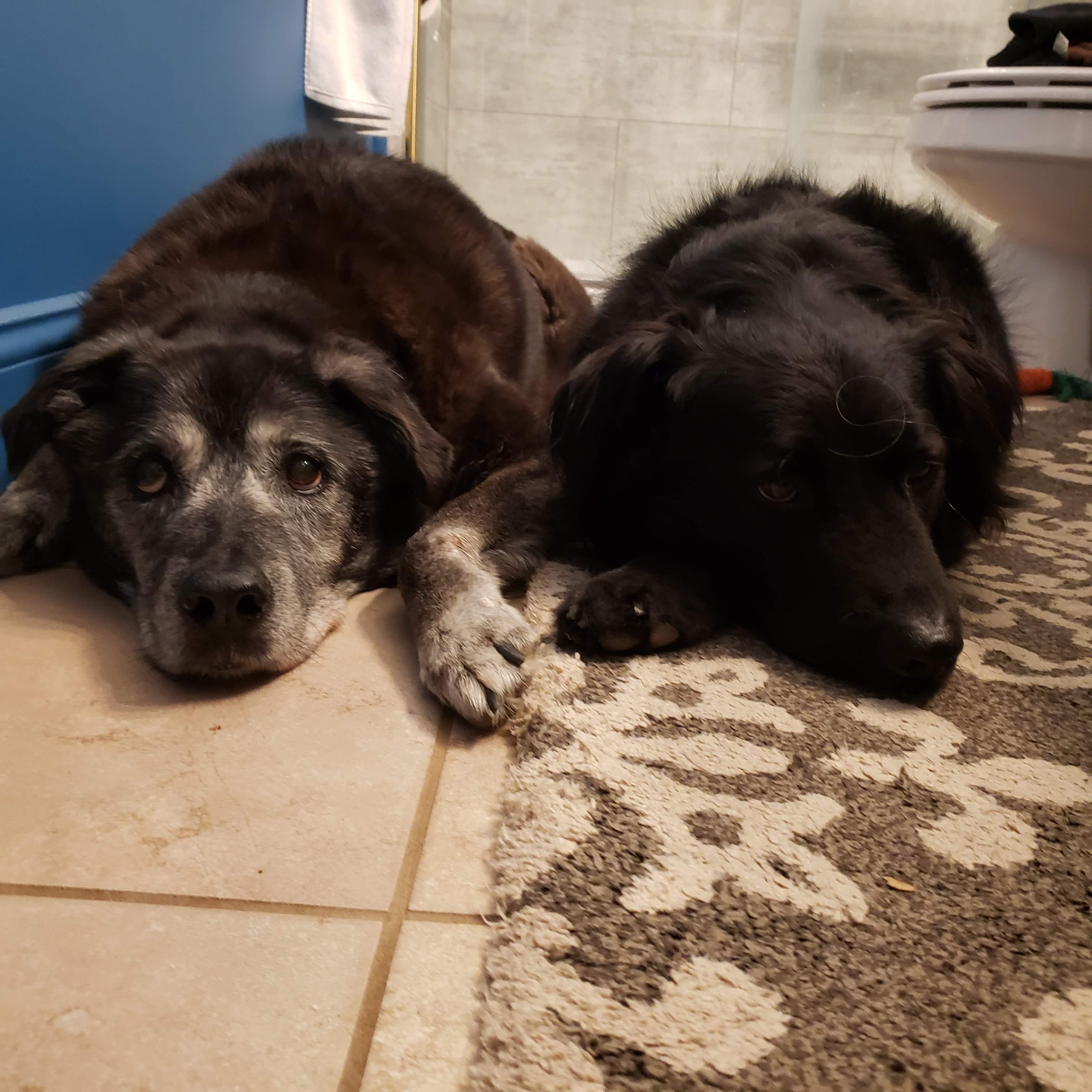
I adopted Riley, a three-year-old dog, in 2018, and he taught me a lot about bonding with and working with an adult dog.
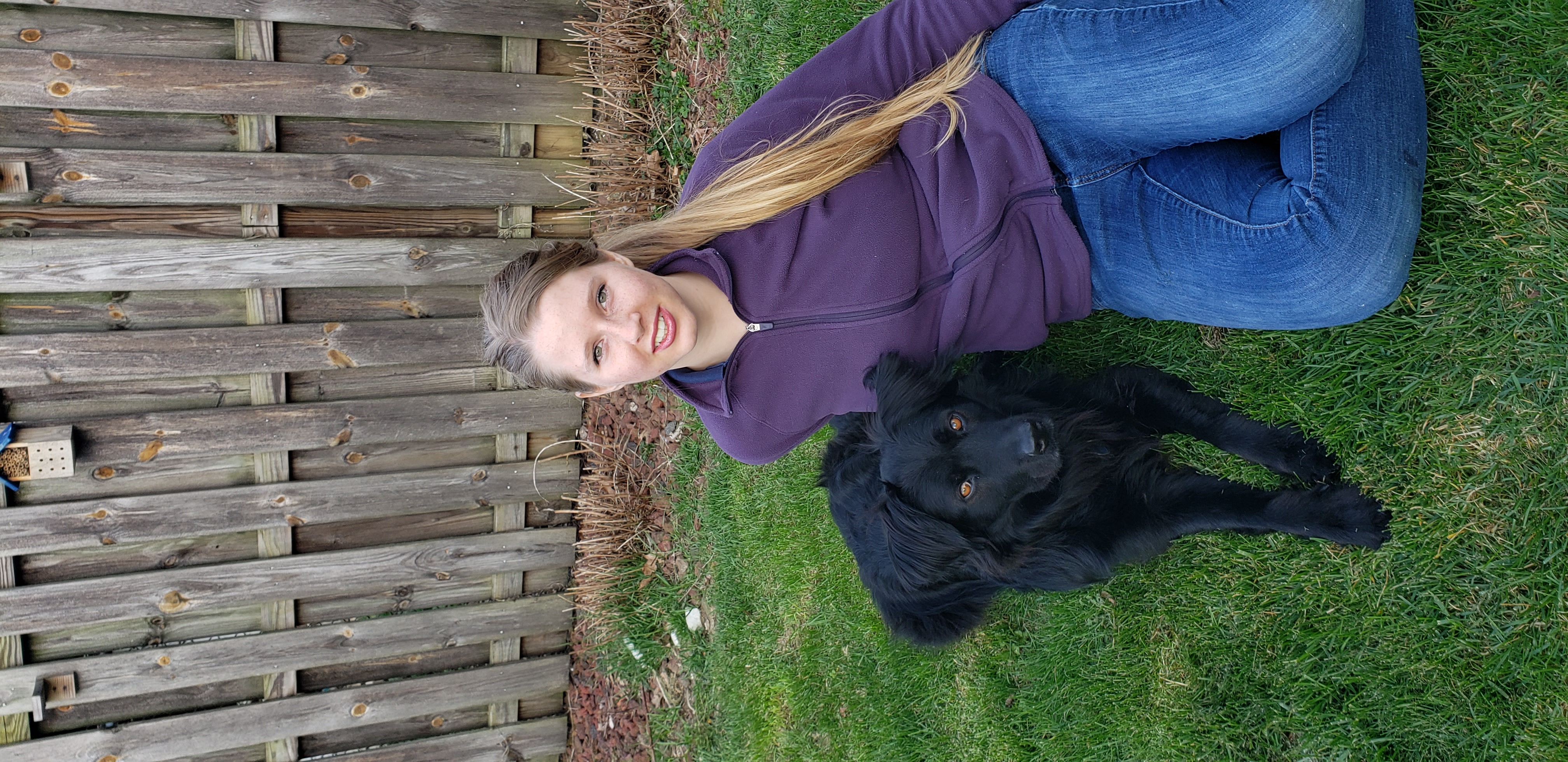
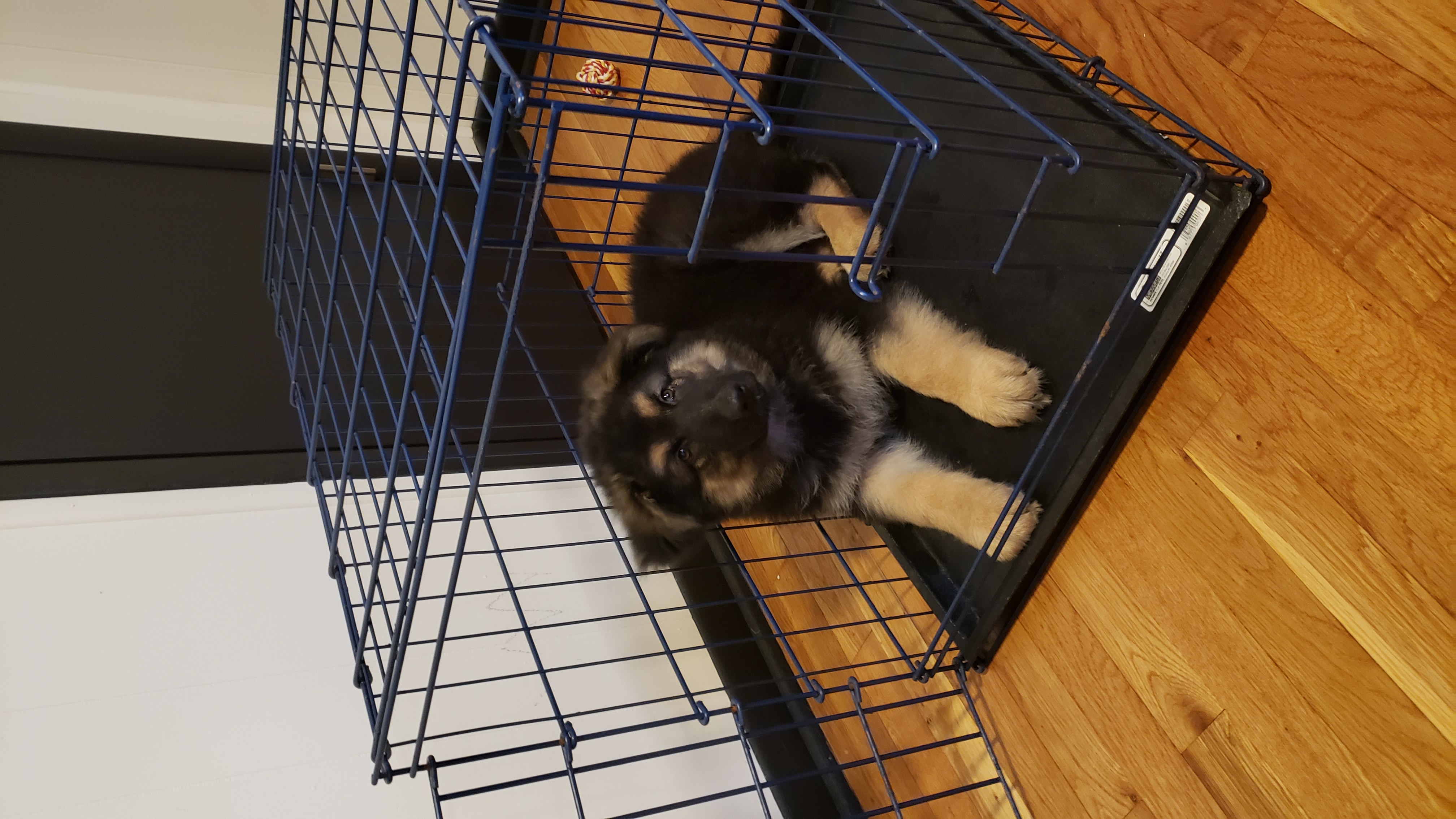
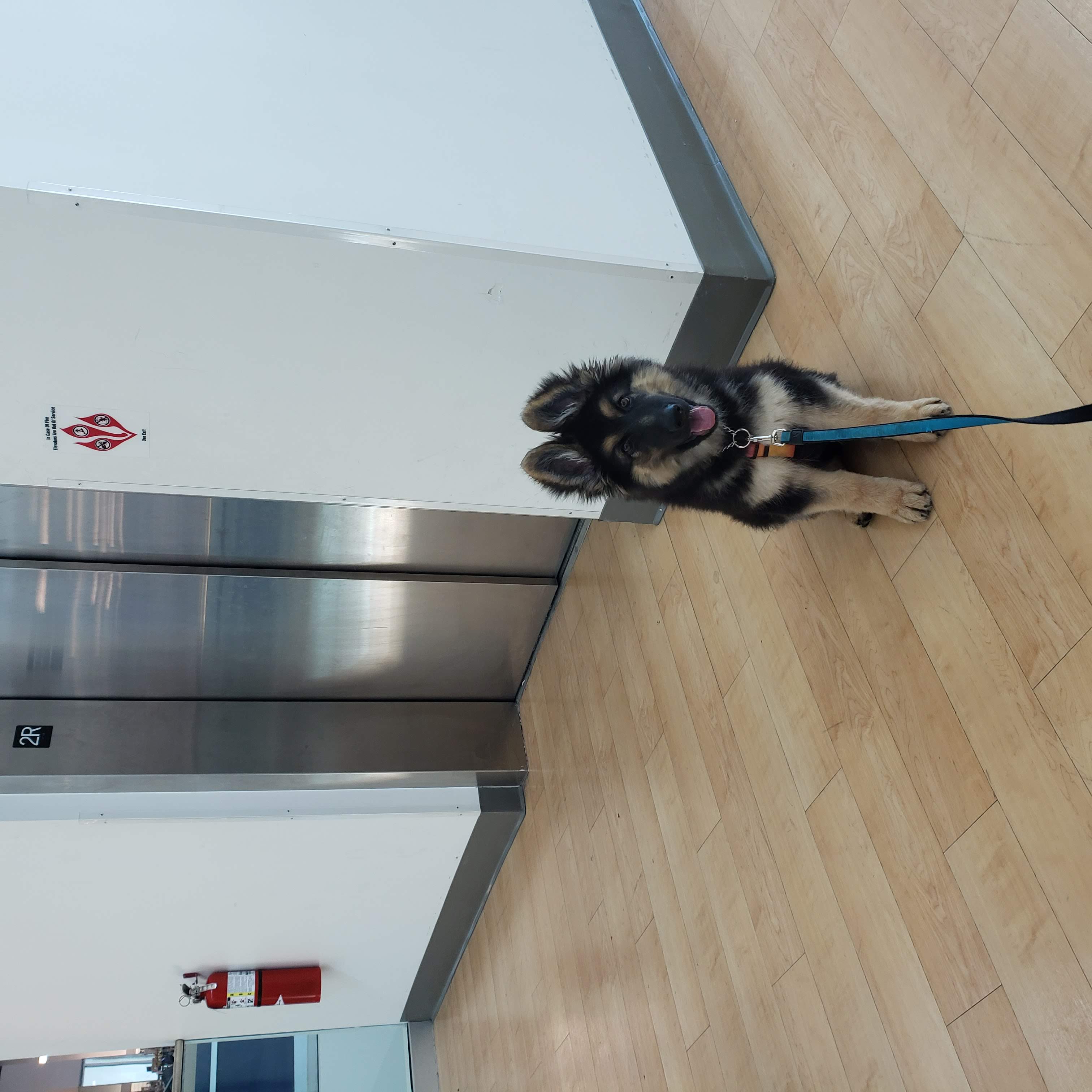
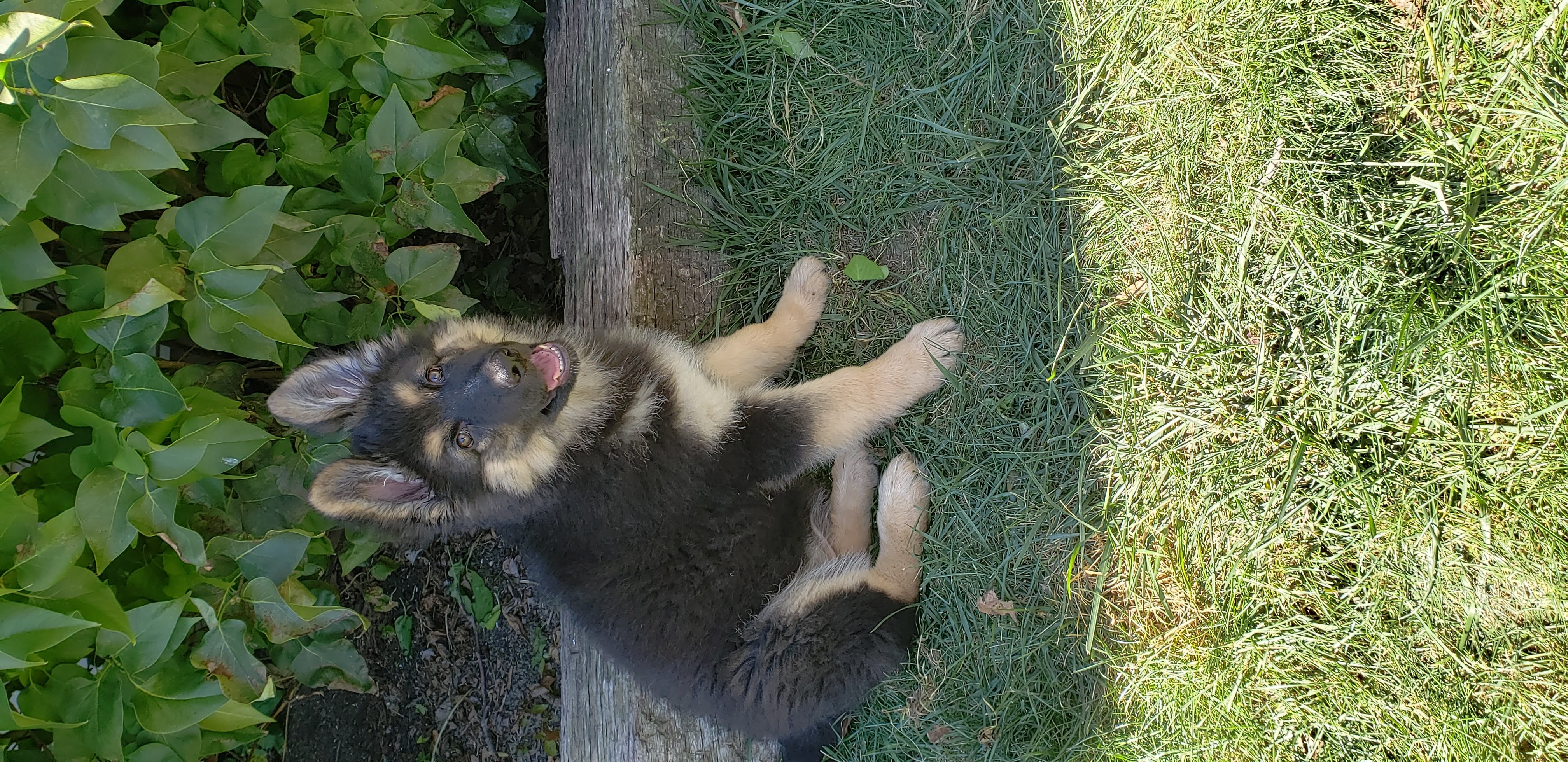
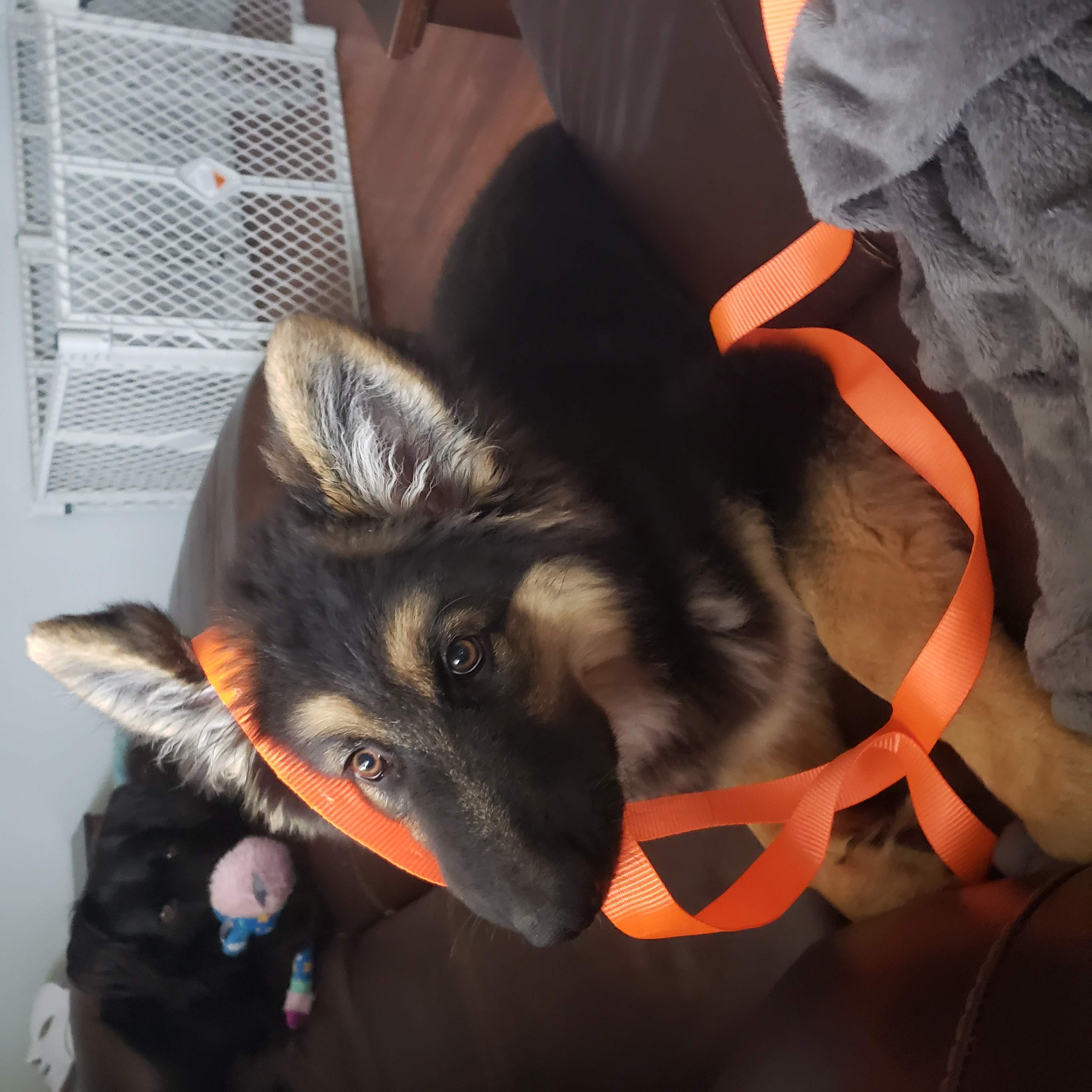
Then, in 2023, I brought home Ziva at 11 weeks old and had the chance to raise a puppy again—with everything I'd learned since Chloe.
I've now been working with dogs and their people for more than eight years and have helped around 2,000 dogs and their families.
And I'm still learning.
Your dog doesn't need to be perfect.
They don't need to perform every behavior on cue.
You don't want a mindless robo-dog who's exactly like every other dog.
You want to be able to see your dog's personality, appreciate their quirks, and love them for the things that make them uniquely them.
I don't want to train the personality out of your dog.
I just want to teach them to be the best version of themselves.
And you don't need to be a perfect dog owner, either.
You need good information, guidance, and support—and someone who can help you make sense of what you're seeing.
That's where I come in.
My job is to give you the knowledge, skills, guidance, and support to help you understand your dog, train them yourself, and feel confident doing it.
So you can stop wondering whether you're doing things right and start feeling confident that you and your dog can thrive together.
If you're here because you want to do right by your dog, I want you to know that you don't have to figure it all out alone.
I've been there.
And I'm here to help.